

Project Description
This funding will allow for the use of borrowed material from the Brazos Santiago Jetty and Entrance Channels to be used within these eroding areas, starting near the center of the City and continuing north.


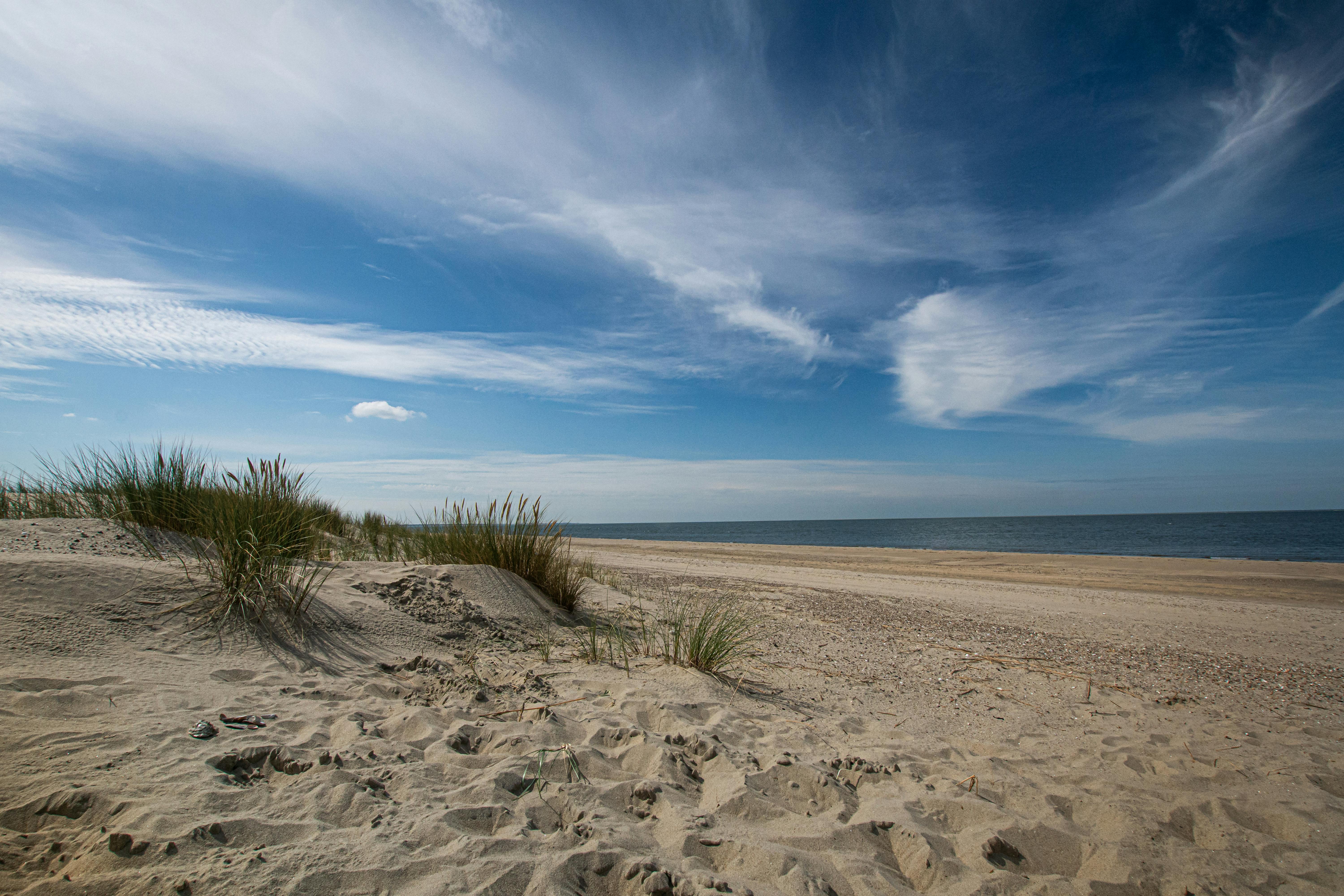




This funding will allow for the use of borrowed material from the Brazos Santiago Jetty and Entrance Channels to be used within these eroding areas, starting near the center of the City and continuing north.
Aransas County will 1) complete due diligence of the proposed property, and 2) purchase the 973-acre Copano Cove Ranch property for the purposes of habitat and wildlife preservation, stormwater/flood management, and public access.
This project included data collection through preliminary design for the Laguna Vista Spoil Island located 3 miles North-Northwest of the town of Laguna Vista in the lower Laguna Madre.
The Historic Seawall Hurricane Harvey FEMA Repair project consisted of mitigating damage from Hurricane Harvey to the gulf facing beach shoreline known as Historic Seawall located within the City of Galveston.
Texas Engineering Experiment Station installed a real-time, wave monitoring system off Corpus Christi, Texas.
Texas Engineering Experiment Station collected GIS data and included it in a project geodatabase, including high resolution topography data (LiDAR) for the barrier island, the wetlands national dataset and imagery for the study area.
Texas Engineering Experiment Station developed and validated the ADCIRC Model, selected a hypothetical storm set, analyzed and developed surge parameterization, and performed simulations for the Galveston region.
Texas Engineering Experiment Station provided a research-based management system to support the community and State's investment in Corpus Christi area beaches.
Texas A&M University correlated historic baseline data of economic health and resource diversity with current physical and economic conditions to assess losses and project future costs necessary to achieve economic sustainability.
Texas Engineering Experiment Station provided a working model for the forecasting of water levels during regular conditions and during low to medium intensity weather events.