

Project Description
Texas Agricultural Experiment Station investigated sargassum's effect upon erosion and sargassum's benefits to animals.


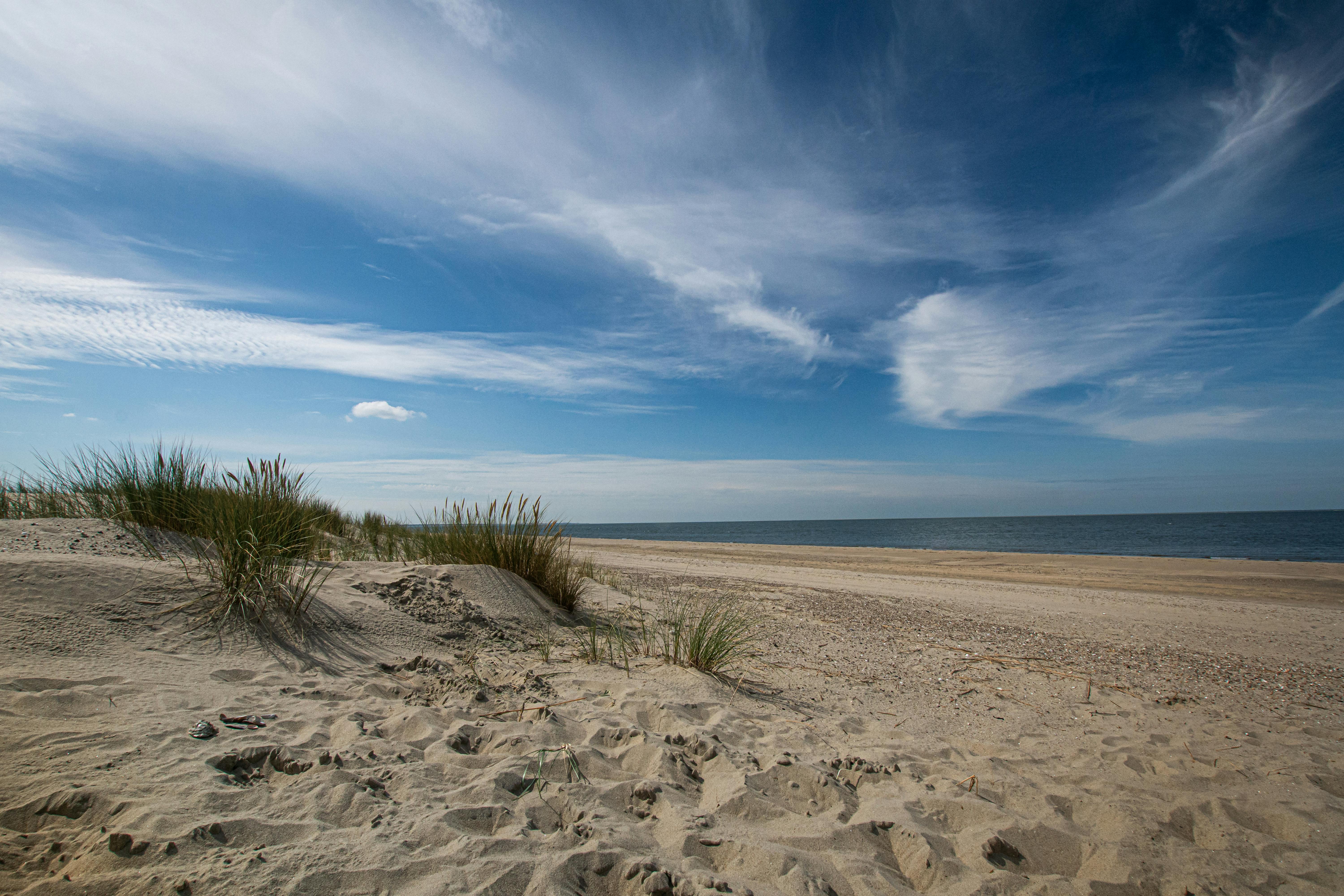




Texas Agricultural Experiment Station investigated sargassum's effect upon erosion and sargassum's benefits to animals.
Texas Agricultural Experiment Station determined the extent to which Sargassum protects the beach and reduces erosion and whether Sargassum enhances or inhibits the growth of dune plants.
Texas Agricultural Experiment Station restored sea oats on Galveston Island and determined the importance of mycorrhizal fungi and a seaweed-containing organic fertilizer, to the re-introduction effort.
Texas Agricultural Experiment Station set up a monitoring system composed of Sediment Erosion Tables (SET) to allow researchers to quantify the accretion rate in restored and natural marshes.
Texas Agricultural Experiment Station evaluated alternative soil test phosphorus extractants and determined soil test phosphorus critical values for the dominant crop production soils in the Corpus Christi Bay watershed.
The Texas Agricultural Experiment Station conducted side-by-side comparisons of different plant species using a controlled laboratory environment.
Texas A&M AgriLife Extenson Service developed freshwater inflow standards for the Lake Austin watershed to support the sustainability of East Matagorda Bay wetlands and estuarine waters.
Texas A&M AgriLife Extension Service estimated human health risks present in Texas coastal recreational waters impacted by various fecal pollution sources.
Texas A&M University-Corpus Christi (TAMU-CC) identified hotspots and potential drivers of coastal fecal bacterial pollution in Nueces County.
Texas A&M AgriLife Extenson Service generated data on the stormwater treatment wetlands created at Exploration Green using CMP Cycle 23 funds.