

Project Description
Texas A&M University - Corpus Christi developed a conceptual model of nutrient inputs to the bay and the groundwater and surface water inputs to the Laguna Salada.






Texas A&M University - Corpus Christi developed a conceptual model of nutrient inputs to the bay and the groundwater and surface water inputs to the Laguna Salada.
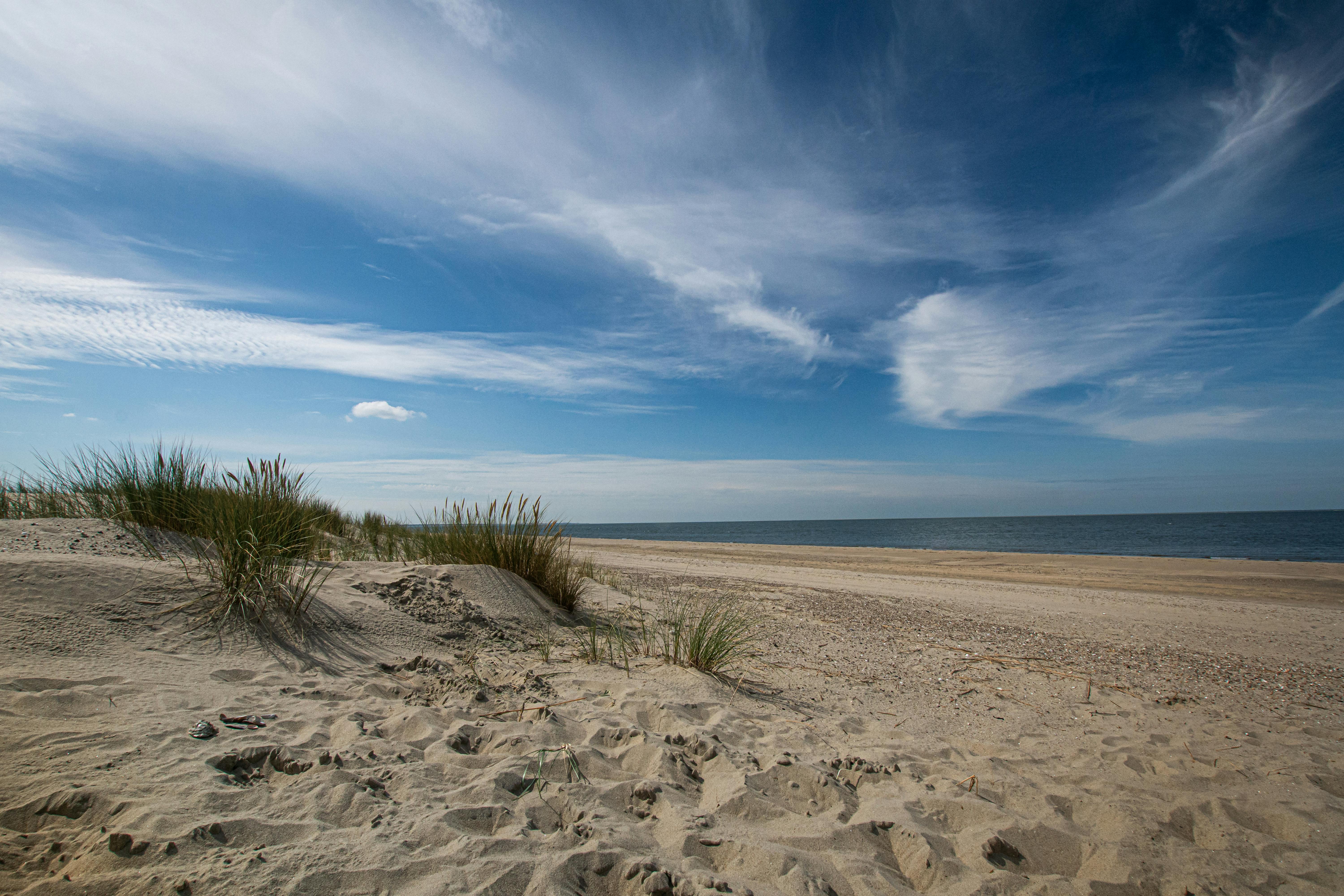
Cameron County continued the enhancement of Beach Access #3.
Texas A&M University assessed the ingestion of microplastic in juvenile finfish and shellfish in Baffin Bay, Aransas Bay, San Antonio Bay, and Matagorda Bay.
Texas A&M University–Kingsville developed reliable and site-specific decision support tools to balance needs for freshwater inflows and reduce impacts of excess nutrient inputs in Nueces Bay.
Texas A&M University-Corpus Christi quantified the inputs of microplastics from nine river catchments discharging to Texas coastal bays.
Texas A&M University-Corpus Christi built on previous study efforts of bayhead deltas degradation and erosional loss, focusing on recent changes in four bayhead delta systems.
Lamar University conducted additional Phase 1 monitoring activities and established methods and data standards that will be used in future Salt Bayou Watershed Restoration Plan phases.
Texas A&M University – AgriLife initiated Phase I of the Slop Bowl Marsh restoration efforts by assessing the hydrological barriers leading to hypersalinity and marsh loss.
Texas Water Resources Institute facilitated implementation of the management measures outlined in the I-Plan, engaged local stakeholders, expanded educational programs, and assessed water quality progress.
Texas A&M University added infrastructure to the existing pipe system to pump effluent to three additional 10 acre settling/evaporation ponds, removed invasive plant species, and planted native wetland vegetation.