

Project Description
The City of Galveston constructed a pedestrian path leading from the parking area to the beach and resurfaced the gravel parking area at Pocket Park #3


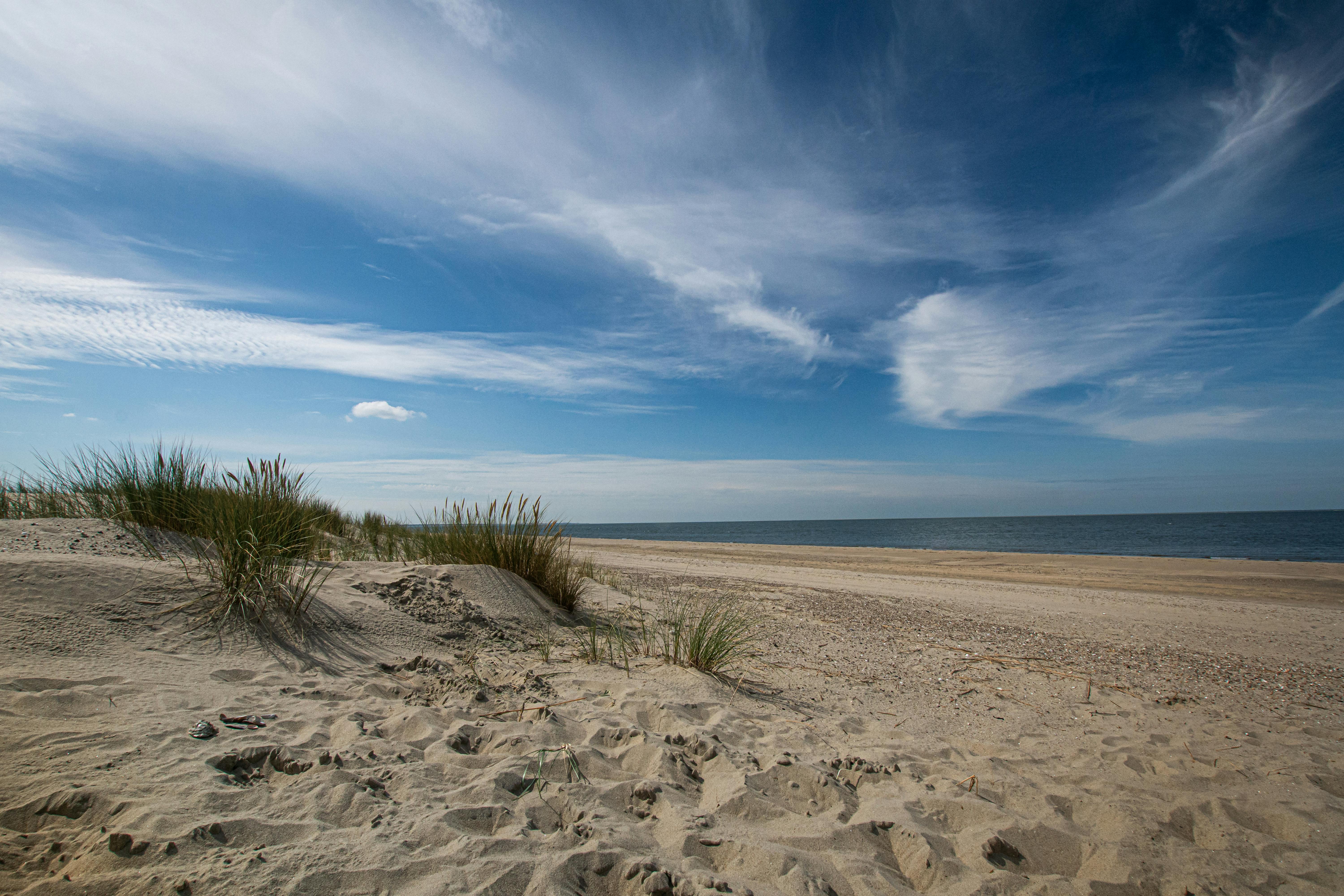


The City of Galveston constructed a pedestrian path leading from the parking area to the beach and resurfaced the gravel parking area at Pocket Park #3
Texas A&M University created a reliable design and evaluation tool for coastal wetlands in Texas.
The Park Board of Trustees of the City of Galveston improved and elevated roadways within Stewart Beach, made beach access improvements, created emergency and service vehicle access areas, and planted native vegetation.
The San Antonio Bay Partnership restored a segment of Bill Day’s Reef, near Port O’Connor, to create a viable nesting site for American Oystercatchers.
The Coastal Bend Bays & Estuaries Program will work on three components related to rookery island enhancement: (1) management, (2) monitoring, and (3) restoration.
Galveston Bay Foundation conducted homeowner workshops related to nonpoint source pollution in the Galveston area.
Texas A&M AgriLife Extension Service's Water Resources Institute completed the final phase of the San Benito Wetlands Project.
The Texas General Land Office solicited this work order to perform material testing of the “Old Queen Isabella Causeway” in Port Isabel, Texas.
The City of Corpus Christi acquired 24.43 acres of wetland and upland property adjacent to and contiguous with the existing Texas Parks and Wildlife Department’s Redhead Pond Wildlife Management Area.
Texas A&M Engineering Experiment Station studied how coastal rainwater runoff affects beach erosion and solid transport processes in Galveston.