
Project Description
The University of Texas continued the Texas High School Coastal Monitoring Program, which measures the topography, maps the vegetation line and shoreline, and observes weather and wave conditions.

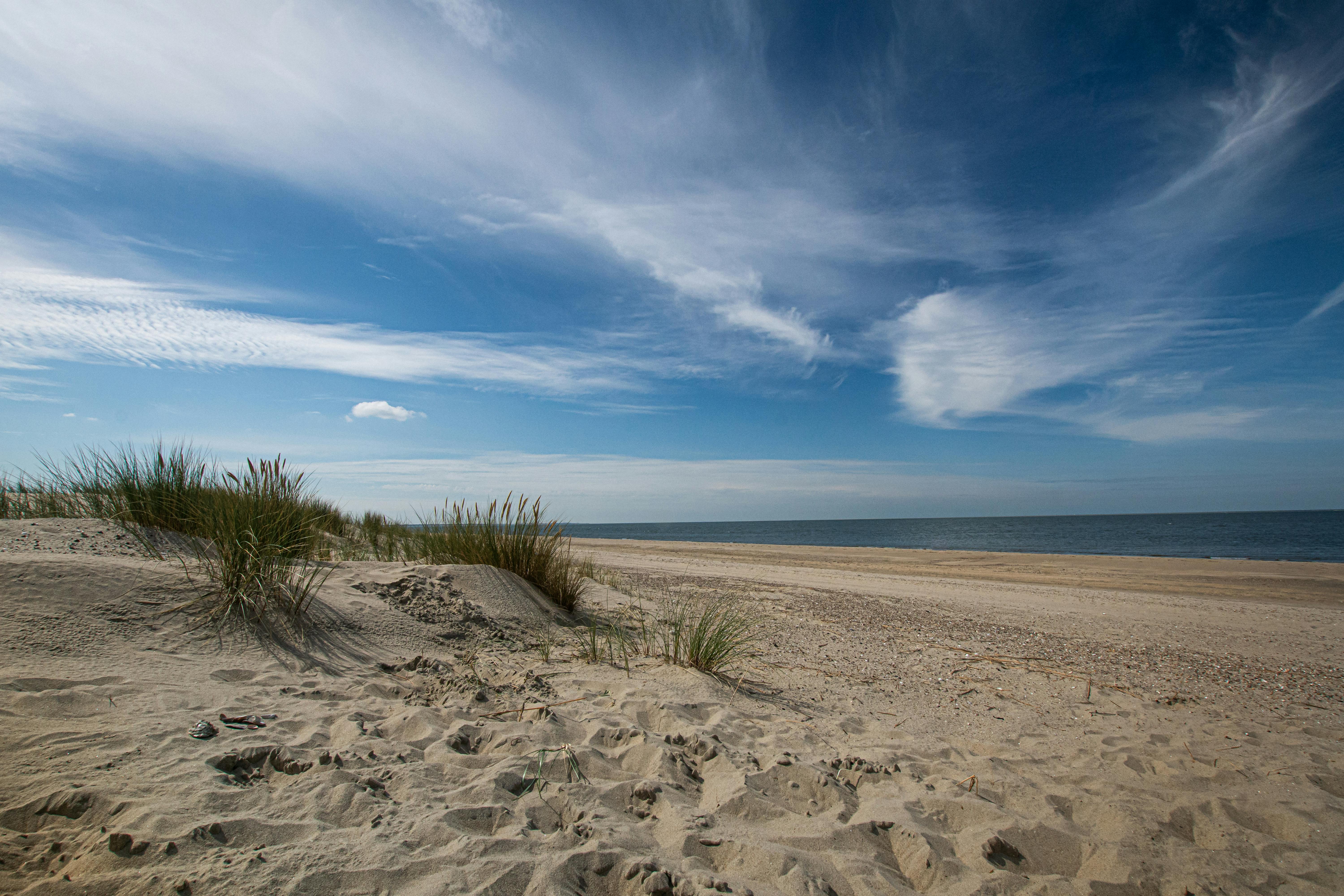

The University of Texas continued the Texas High School Coastal Monitoring Program, which measures the topography, maps the vegetation line and shoreline, and observes weather and wave conditions.
The University of Texas continued the Texas High School Coastal Monitoring Program, which measures the topography, maps the vegetation line and shoreline, and observes weather and wave conditions.
Houston Advanced Research Center provided a detailed understanding of the economic link between freshwater inflows from the Rio Grande and preservation of the coastal riverine and estuarine ecosystems in and near the mouth of the river.
The University of Texas at Austin, Bureau of Economic Geology strengthened the Texas coastal database and increase understanding of short-term and long-term changes to the coastal environment.
The Coastal Bend Bay and Estuary Program worked with local stakeholders, willing landowners and mangers in the area between Port O’Connor and Packery Channel to advocate for cooperative Brazilian Peppertree control.
Texas A&M University - Corpus Christi built on previous efforts, supporting principal goals and priority issues defined in the Coastal Bend Bays Plan: Bay Tourism and Recreation, Habitat and Living Resources, and Public Education and Outreach.
Texas Water Development Board produced digital historic aerial images for Aransas, Calhoun and Refugio Counties. Coverage includes the 1950's through the 1990's decades.
The Aransas County Navigation District installed a fixed, self-service pumpout and dump station at Cove Harbor, south of Rockport, which boaters can use to remove sanitary wastes from vessels for appropriate collection and treatment
Texas A&M University at Galveston conducted a sand source study at various locations along the Texas Gulf coast.
Texas A&M University, Corpus Christi strengthened and fortified six TCOON data collection platforms to better allow the platforms to withstand hurricane force winds and storm surges.