

Project Description
Texas A&M University at Galveston investigate sand resources and sand transport along the Colorado River.

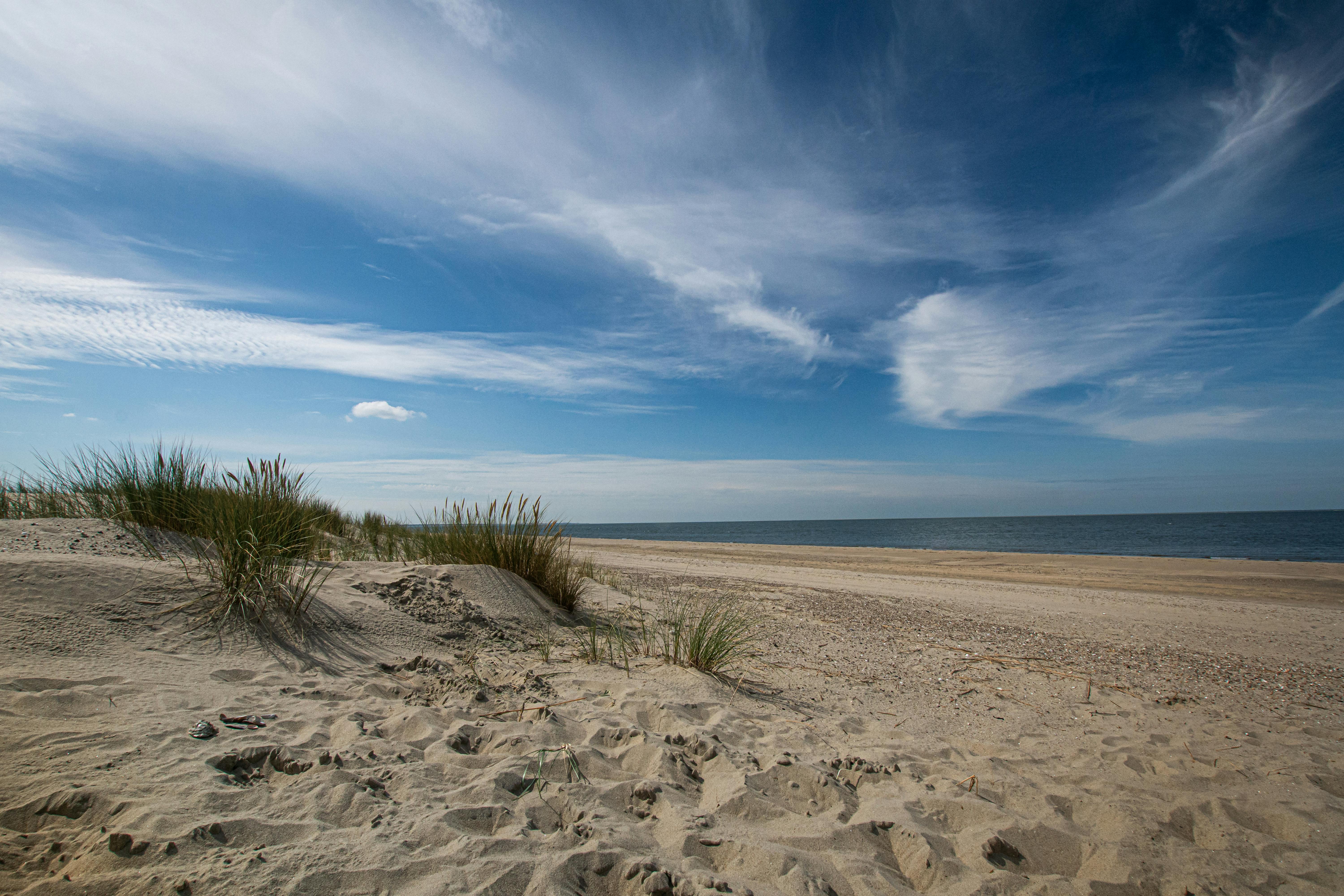


Texas A&M University at Galveston investigate sand resources and sand transport along the Colorado River.
The Texas Historical Commission used the funds as a component of the overall funding for conservation treatment of the nearly one-million artifacts recovered during the excavation of the Belle, La Salle's flagship, which sank in Matagorda Bay in 1686.
Texas A&M University at Galveston expanded the capabilities of the TCEDN in two specific areas- Geographic Information System (GIS) capabilities and Metadata Clearinghouse nodes.
Texas A&M University - Corpus Christi developed a program to reclaim and recycle shucked oyster shells from Coastal Bend restaurants, seafood wholesalers, and seafood festivals for use in reef restoration.
The University of Texas Rio Grande Valley developed a hurricane storm surge model for the South Texas coastal region.
The Houston Parks and Recreation Department restored 72 acres of coastal prairie habitat in Sylvan Rodriguez Park.
The Texas AgriLife Extension Service developed a coastal planning program for stakeholders along the Texas coast.
The University of Texas at Austin, Bureau of Economic Geology engaged students and teachers who live along the coast in the study of the natural beach environment.
The University of Texas at Austin, Bureau of Economic Geology developed a user-friendly, interactive, web-based display of GIS-based maps of historical and current Texas wetland types, boundaries, and distribution.
Harris County Flood Control District obtained quality assured data to evaluate the effectiveness (or performance concerns) of a typical wet pond design accepted by municipal storm water quality managers in the Galveston Bay region.