

Project Description
Aransas County Navigation District increased the height of the erosion control along the 700 linear foot concrete seawall by two feet.

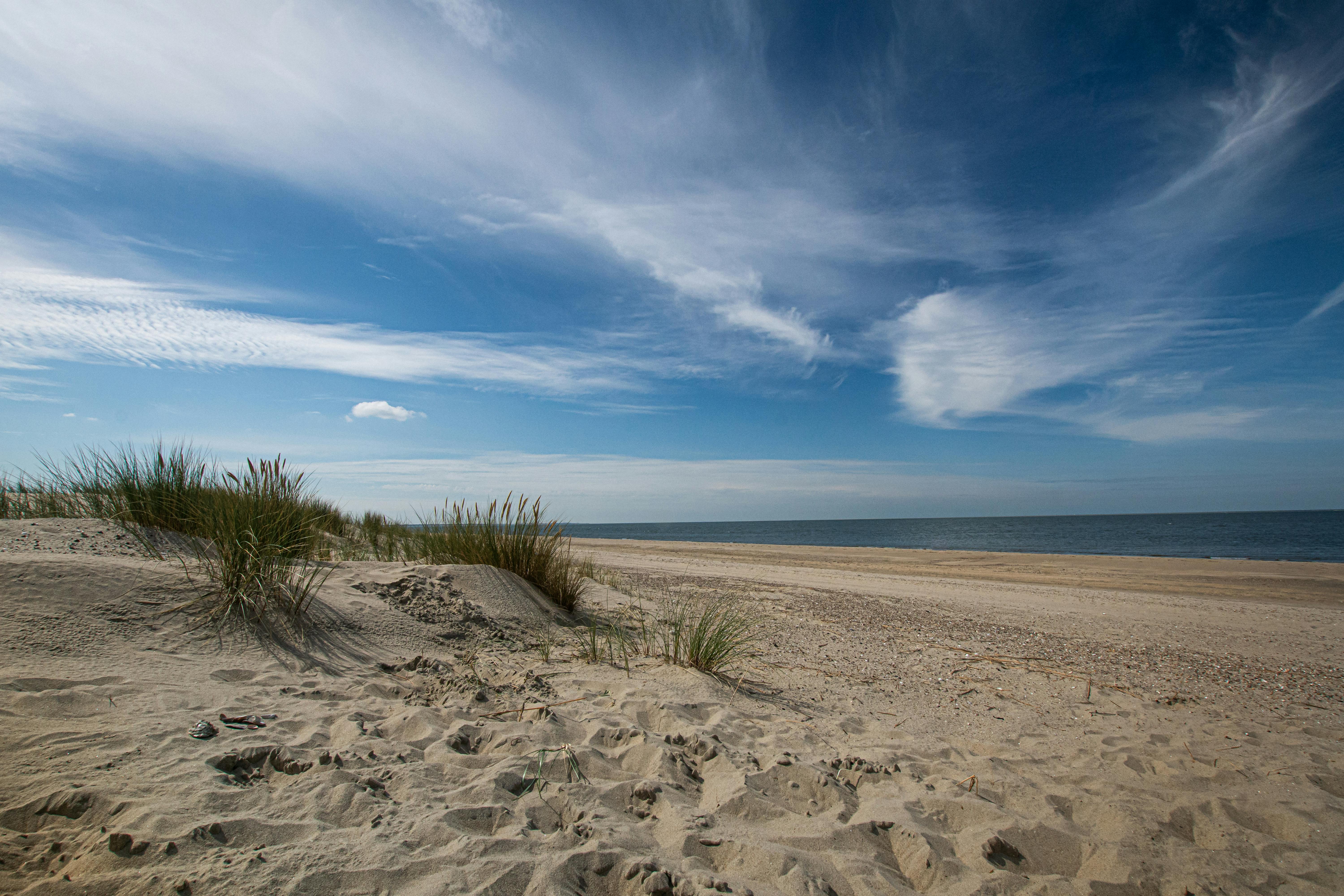


Aransas County Navigation District increased the height of the erosion control along the 700 linear foot concrete seawall by two feet.
Calhoun County constructed two pavilions for public use in the Miller Point area with the goal of encouraging ecotourism and outdoor education.
Texas A&M University-Corpus Christi identified hotspots and potential drivers of coastal fecal bacterial pollution on Galveston Island.
Texas A&M University – Corpus Christi studied black mangrove expansion in the Mission-Aransas National Estuarine Research Reserve.
The Town of Fulton replaced severely deteriorated galvanized metal brackets, bracing, and light standards along both sides of approximately 600 linear feet and repaired the bracing and roof of the T-head pavilion.
Lower Colorado River Authority performed a baseline vegetation inventory of the Matagorda Bay Nature Park and Preserve, identifying the extent of each vegetation community type and a complete species lists associated with each community type.
Galveston Independent School District provided scientific data at key locations along the Texas coast. These data were integrated into the ongoing coastal research program and were made available to other researchers and coastal managers.
Galveston Bay Estuary Program hosted Marsh Mania, a volunteer-based, one-day habitat restoration event held at several sites around Galveston Bay. The goals were to restore marsh habitat while raising public awareness of habitat values and restoration.
Texas A&M University at Galveston completed the the bottom profile survey from the 12 foot (4 meter) to 30 foot (10 meter) depth off of Galveston Island in the area not covered by previous projects.