
Project Description
The City of Corpus Christi acquired 3.5 acres of land on Mustang Island between Nueces County Beach Access Road #2 and the southerly boundary of the Port Aransas city limits and State Hwy. 361 and the Gulf beach.
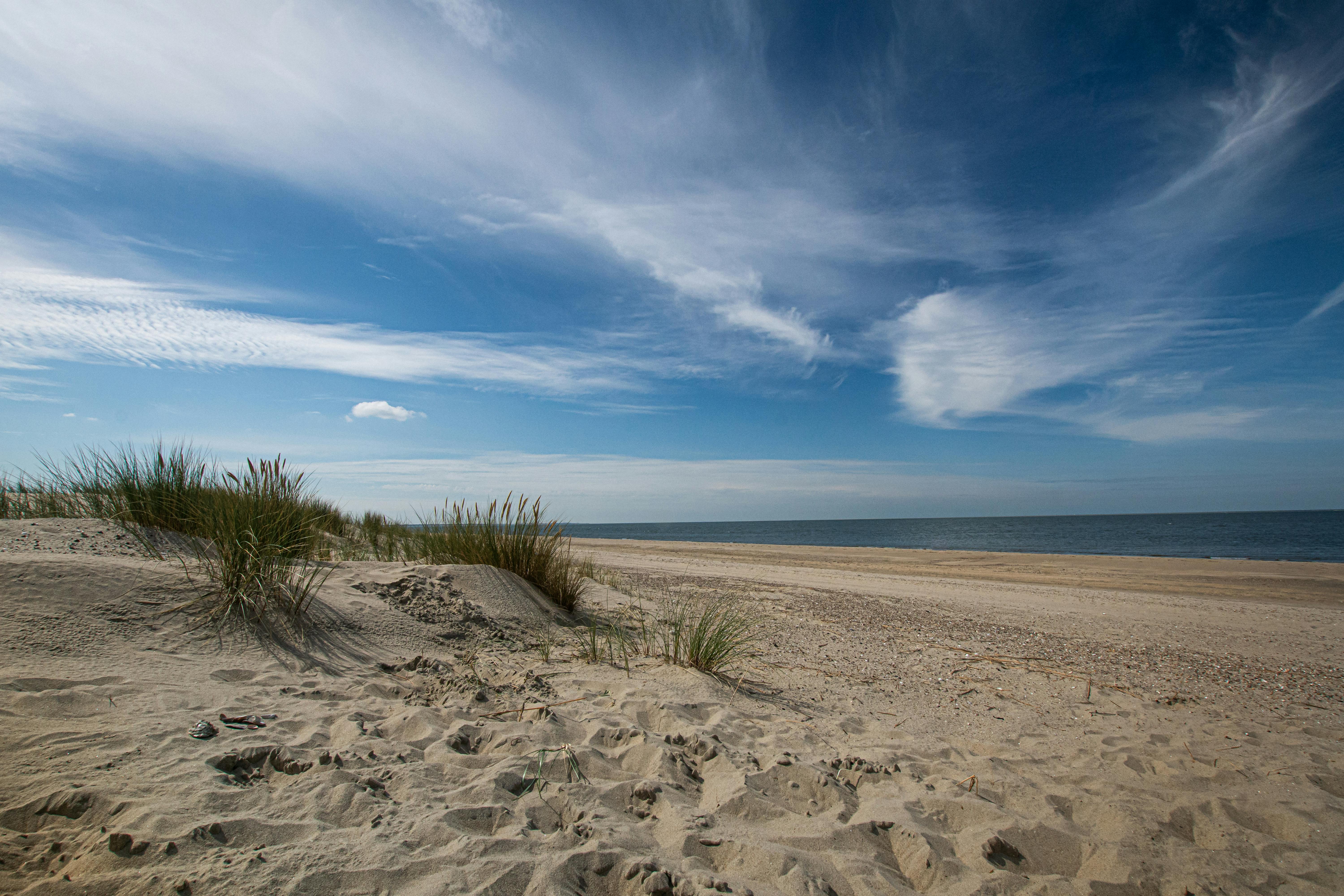
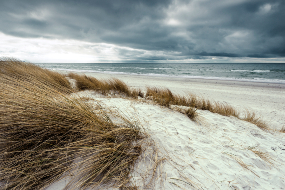
The City of Corpus Christi acquired 3.5 acres of land on Mustang Island between Nueces County Beach Access Road #2 and the southerly boundary of the Port Aransas city limits and State Hwy. 361 and the Gulf beach.
Galveston Bay Foundation refined the Boater Waste Education Campaign based on lessons learned from stakeholder feedback and preliminary water quality and Dockwalker survey data collected in previous cycles and to continue tracking program improvements.
The University of Texas at Arlington explored the current practices of understanding sediment transport and budgets and offered recommendations for best practices to help inform the Texas General Land Office Texas Sediment Management Plan.
Valley Proud Environmental Council continued the Captain Clean Crab Clean Beach Media and Education Campaign and added the Winter Texan Beach Cleanup.
Texas A&M Engineering Experiment Station monitored phytoplankton productivity through satellite remote sensing, which provided an opportunity to observe real-time variations of chlorophyll-a at a large spatial scale.
Artist Boat engaged beachgoers on Galveston Island in place-based learning events to promote improved perceptions and attitudes toward water and sediment quantity and quality on Texas Gulf waters and beaches.
The National Audubon Society developed 90% designs and applied for the necessary permits for a new bird rookery island at the mouth of Carancahua Bay.
The American Bird Conservancy promoted the survival of declining coastal breeding birds through protecting coastal natural resource areas and collecting and analyzing demographic data for targeted bird species.
Kleberg County developed engineering options to address erosion of a high bank at the park.